
Did you sign up for our weekly newsletter on 'From Lock to Liberation' yet? JOIN US HERE.
JOURNEY WITH KINDRED SOULS
Together, we'll explore the intersection of nervous system science, mental health, spirituality, and healing.
Conscious Connected Breathwork: How Your Breath Can Heal Trauma
Conscious Connected Breathwork: How Your Breath Can Heal Trauma
Listen to the conversation
What Seventeen Years of Searching Finally Led To
I get to have a lot of conversations on this podcast that stop me in my tracks. This one did that in the first ten minutes. My guest this week, Megan Ashton, spent almost two decades trying everything she could find to feel okay inside her own body. What she finally found, and what it took to get there, is something I think a lot of us need to hear.
Megan Ashton is the founder of Unity Breathwork and a leading advocate for raising safety standards in the breathwork industry. Her own healing journey through trauma, bulimia, and alcohol dependence brought her to conscious connected breathwork, where she discovered firsthand its power for trauma processing, addiction recovery, and deep nervous system healing. After years of working with international breathwork schools and seeing real gaps in facilitator training, Megan became a vocal advocate for trauma informed practice and public education about the real risks of this kind of work. Today she leads healing retreats in Sayulita, Mexico, and directs the Global Professional Breathwork Alliance's certification program, one of the most comprehensive trauma informed breathwork trainings available anywhere.
A Life That Looked Perfect From the Outside
Megan told me something early in our conversation that I haven't stopped thinking about. On paper, her life looked amazing. She was living in Bali. Then India. Then wherever felt exciting next. People probably looked at her photos and felt a little jealous. But inside, she described herself as living in her own inner prison.
She was bulimic for almost eighteen years. She struggled with alcohol dependency. And without fully realizing it, she was using travel itself as a form of escape. The second uncomfortable feelings started bubbling up, she'd plan her next trip instead of sitting with what was actually going on inside her. She told me the planning itself became its own form of escapism.
Here's the part that really landed for me. Megan said that all that numbing didn't just protect her from the hard feelings. It also cut her off from the good ones. She was moving through her whole life in a fog, looking fine on the outside while feeling miserable on the inside.
Trying Everything, and Nothing Sticking
By the time Megan found breathwork, she had already tried an enormous amount. Talk therapy. Clinical hypnotherapy, since she believed deeply in the power of the subconscious mind. Yoga teacher training. Reiki. Holistic nutrition certification. She kept collecting tools, and none of them touched what was really going on underneath.
It all came to a head with a week of intensive plant medicine work in Colombia, including six ayahuasca ceremonies back to back. It was, in her words, way too much for her body. She got violently ill for hours at a time and spent the following year sicker than she had ever been. A shaman told her she had two choices, leave and things stay hard forever, or push through and keep going. She pushed through. And it still wasn't the answer.
What strikes me most about this part of her story is something she named clearly. That entire ceremony felt like a state of overwhelm with no agency and no choice, which is the exact opposite of trauma informed care. If she was ever going to work through childhood trauma, it wasn't going to happen in a container that felt unsafe to her nervous system, no matter how powerful the substance.
The First Breathwork Session That Changed Everything
A friend finally convinced Megan to try a conscious connected breathwork session. She went in skeptical. Within about fifteen minutes, she found herself in what she describes as a deep, non ordinary state of consciousness, and she was suddenly back with her inner child, crying out for affection and love she didn't even know she had been missing.
A facilitator came over and offered gentle, appropriate touch at exactly the moment she needed it most. Megan told me she had been touch starved her whole life without realizing it, and having that need met while she was fully feeling her emotions was profoundly healing.
She left that session lighter. She said the colors of the world looked more vibrant the next morning. And within a few months of continuing the practice, the bulimia that had gripped her for eighteen years simply stopped having power over her. Not because she white knuckled her way through it, but because she finally had a healthy space to feel her emotions instead of numbing them.
What Actually Happens in the Body During Breathwork
I loved that Megan didn't just share her story. She broke down the actual physiology behind what happens during conscious connected breathwork, and I think this is genuinely useful for anyone curious about trying it.
When you breathe this way, keeping the breath connected with no pause between inhale and exhale, for around fifteen minutes, your CO2 levels start to drop. This causes a shift in blood flow and oxygen in the brain. The prefrontal cortex, the part of your brain responsible for a lot of executive control and, as Megan put it, a lot of the ego's grip on things, gets a little less activity. Meanwhile, the amygdala, which processes feeling and fear, and the hippocampus, which holds memory, become more active.
That combination is part of why deep material can surface so quickly in these sessions. You're not forcing anything open. Your own physiology is creating the conditions for it to rise.
Why Safety and Agency Matter So Much
This is the part of the conversation I really want people to sit with. Megan has been doing this work for almost ten years, and she's watched the breathwork industry explode in popularity without the training and safety standards keeping pace. She calls it a bit of the Wild West right now.
Some facilitators are offering fifty hour trainings and calling themselves trauma informed, when Megan's own organization requires a minimum of four hundred hours of training to hold that title responsibly. She walked me through what to actually look for before booking a session with anyone.
Ask if their training is certified through the Global Professional Breathwork Alliance, or GPBA, which mandates that minimum four hundred hours. Notice how they talk about the work. If a website promises guaranteed healing or a quick fix, that's a red flag. Responsible language sounds more like benefits may include, not you will feel better tomorrow.
She also talked about something called tetany, where your hands can curl into a claw shape during a session, which happens to seventy to eighty percent of people doing longer breathwork practices. A properly trained facilitator will warn you about this in advance. If they don't, and it happens to you unexpectedly, it can trigger real panic, because your own mind may start telling you something is seriously wrong.
The common thread through all of it is agency. Megan explained that in her sessions, every instruction is framed as a suggestion, never a demand. Participants are given their own gas pedal and their own brake the entire time. And here's the part that surprised me. That sense of control isn't what limits how deep someone can go. It's actually what allows them to go deeper, because the nervous system finally feels safe enough to let go.
The Nervous System Piece Underneath It All
This connects to something I talk about all the time on this show. Real healing doesn't happen by pushing past what the body can handle. It happens when the nervous system has enough safety and enough choice to soften on its own terms.
Megan's story is such a clear example of this. Nearly two decades of trying to force change through sheer effort and searching didn't work. What finally worked was a practice that gave her body agency, safety, and the physical space to actually feel what it had been holding onto for so long.
If any part of Megan's story resonates with you, especially if you've spent years trying tool after tool without finding lasting relief, I want you to know there's nothing wrong with you. Sometimes the missing piece isn't another technique. It's a container safe enough for your nervous system to finally trust.
This is exactly the work I do inside From Lock to Liberation, helping people build that felt sense of safety so real, lasting change becomes possible.
You can find Megan and her work, including her retreats in Sayulita, Mexico and her free breathwork sessions, through Unity Breathwork.
Where to Find Megan Ashton
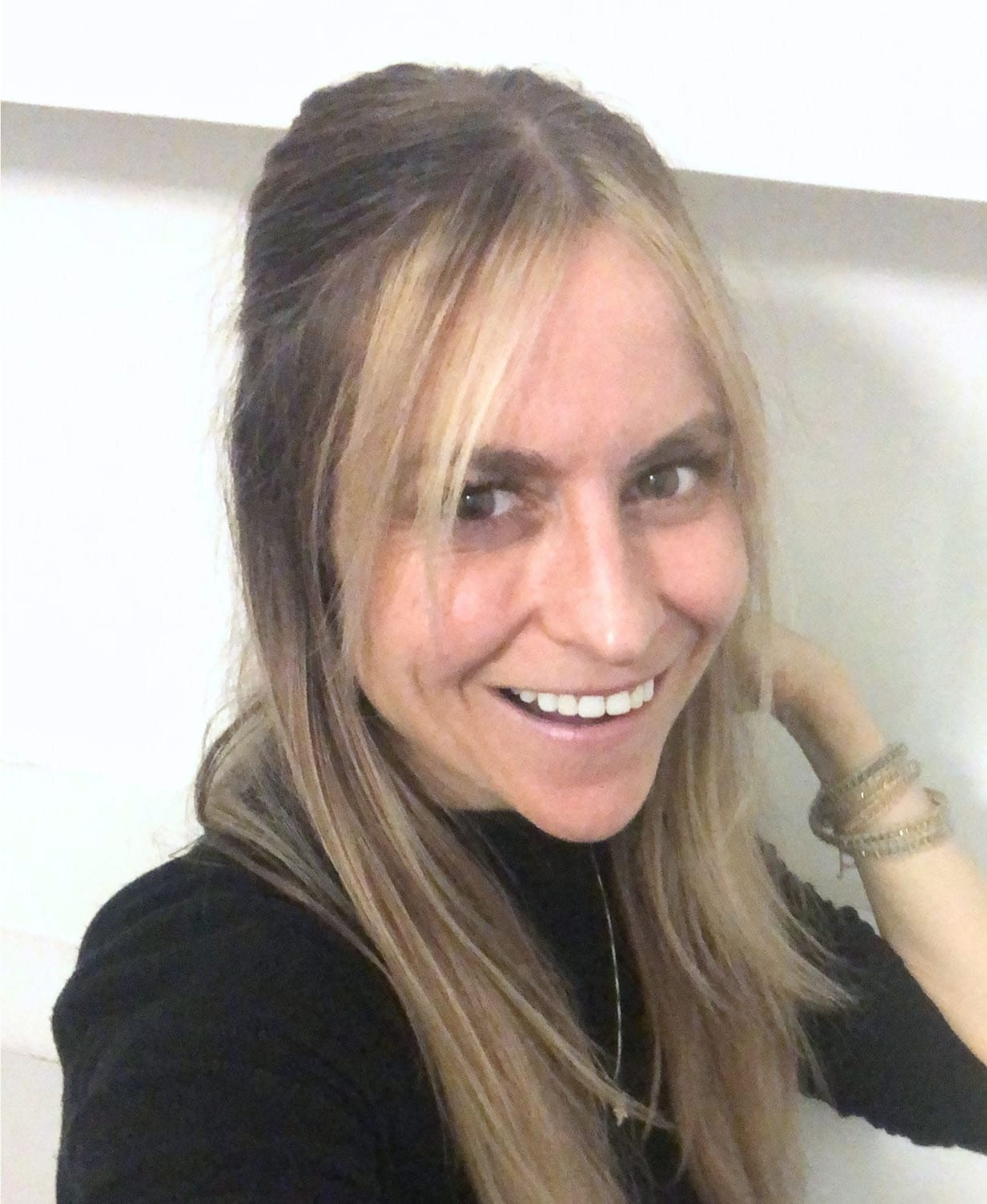
Megan Ashton is the founder of Unity Breathwork and a leading advocate for raising safety standards in the breathwork industry. Her own healing journey through trauma, bulimia, and alcohol dependence brought her to conscious connected breathwork, and showed her firsthand its power for trauma and grief processing, addiction recovery, and deep nervous system healing. She now leads healing retreats in Sayulita, Mexico, and directs the Global Professional Breathwork Alliance's trauma informed certification program, one of the most comprehensive of its kind.
SUBSCRIBE TO OUR WEEKLY THURSDAY NEWSLETTER
A weekly newsletter for people who are tired of understanding their patterns and still feeling stuck.