
Did you sign up for our weekly newsletter on 'From Lock to Liberation' yet? JOIN US HERE.
JOURNEY WITH KINDRED SOULS
Together, we'll explore the intersection of nervous system science, mental health, spirituality, and healing.
How Breathwork Helps Your Nervous System Through Midlife, Change, and Stress
How Breathwork Helps Your Nervous System Through Midlife, Change, and Stress
Listen to the conversation
Why We Keep Trying to Get Back to Who We Used to Be
I want to start with a question I’ve been sitting with a lot lately. How much of our energy goes into trying to get back to the way we used to be? Maybe it’s our energy level, the way we handle stress, our bodies, or the roles we used to play.
The day after I recorded this episode, I was leading a workshop for women in perimenopause and menopause. So this question was very much on my mind. I see so many people, myself included, trying to regulate their way back to an old version of themselves instead of meeting the life they’re actually living now.
There can be a lot of feelings that come with change, like grief, anger, and sadness. Those feelings are all welcome. The trouble starts when we push them away and try to force ourselves to feel settled in a situation that is actually asking for our attention.
What It Really Means to Feel Centered
When Andrew talked about being centered, I asked him what he meant, because I think that word gets used a lot without much explanation. His answer was so practical. He described it as coming back to a place where we can be in the present moment, without letting life’s ups and downs knock us over for too long.
Emotions Are Natural, but They Don’t Have to Stay for Years
Andrew talked about how we sometimes feel shame for having emotions we don’t want, like anger, resentment, or jealousy. We end up upset with ourselves for feeling something human. Other times we push those feelings down, and they stick around much longer than they need to.
He gave an example that I think many of us know too well. You’re having a lovely moment with someone you love, and then your mind flashes back to something hurtful that happened ten years ago. Suddenly that old pain is in the room, and it lands on the person in front of you. Andrew’s point was that emotions are natural, and the goal is to let anger last a few minutes or a few hours instead of weeks or years.
Restful Alertness
I asked Andrew whether that calm, easy state is where we’re supposed to live all the time. He said no, and I loved how he explained it. When we sleep, we want to be at rest. But when we’re getting the kids out the door or doing our work, we want to be sharp and aware.
He called the sweet spot “restful alertness.” It’s a little bit of ease, without slipping into sluggishness, and a little bit of awareness, without tipping into tension. That idea fits so well with how I understand the nervous system, which is always moving and shifting depending on what life needs from us.
How Your Breath and Your Emotions Talk to Each Other
Here is where things got really interesting for me. I understand breathwork, and I use it, but I wanted to know how working with the breath actually connects to our thoughts and feelings. Andrew answered with some research that I keep thinking about.
The Study That Surprised Me
Andrew described a study where people watched images meant to stir up certain emotions, like fear. While they watched, researchers measured how they were breathing. Then a second group came in who never saw the images at all. They were simply asked to breathe in those same rhythms and describe how they felt.
According to Andrew, the feelings the second group described matched the first group in a really surprising way. Think about how you breathe when you’re angry. For most of us, it gets faster. When we’re sad, there’s often a heavier exhale. Andrew called this a two-way street, because our feelings shape our breath, and our breath can also shape our feelings.
Breathwork, HeartMath, and Coherence
This reminded me of HeartMath, which is a big part of my own work. HeartMath is a nonprofit that has spent years researching how the heart affects the rest of the body. They use heart rate variability, or HRV, to measure something they call coherence, which is when your heart, body, and brain are working well together.
One simple practice they teach is slow, steady breathing, about five counts in and five counts out, with your attention on your heart. When I do this for a while, I can feel everything settle. In Reiki, there is a similar practice where you breathe into the hara, which is just below the belly button. It really does seem like all roads lead back to the breath.
Andrew also mentioned research with veterans living with PTSD. He explained that in PTSD, HRV often gets stuck low, because the body won’t stand down from being on guard. In the study he described, people who practiced SKY Breath Meditation showed more movement and higher HRV, which is a hopeful sign.
Why Breathwork Gives You Your Agency Back
One of the things I love most about breathwork is that you are the one doing it. So many healing approaches, including ones I use like Reiki and Brainspotting, involve a practitioner, which can leave people feeling like they are receiving something instead of taking part.
Andrew shared that this is one of the reasons he loves teaching breathwork too. He talked about a study on recovery from opioid use in rural Ohio, where the people who needed help far outnumbered the practitioners available. A practice that could be taught to many people at once, and then used on their own, turned out to be a really empowering step.
He sees the same thing at the retreat center. A great experience is wonderful, but leaving with a tool you can come back to again and again is what gives people a sense of agency. As he put it, it helps people feel like they aren’t at the mercy of their thoughts and emotions.
Nervous System Regulation Is Daily Care, Like Brushing Your Teeth
Andrew compared breathwork to taking a shower or brushing your teeth. We do those things every day for our bodies without thinking twice. But what are we doing every day for our minds and emotions? Most of us were never taught anything like that at home or at school.
I say something similar when I teach about nervous system regulation. No gimmick is going to regulate your nervous system for you. You wouldn’t brush your teeth once a month and expect them to stay clean. This kind of care works best when we do it daily, several times a day, and the breath is a beautiful tool for that because it’s always with us.
Andrew shared his own version of this. He got his first car in his late 30s and suddenly learned about regular maintenance every few thousand miles. He realized our minds and bodies need the same thing. A short daily practice of five to twenty minutes, plus a longer reset like a retreat once a year, can change how we move through every single day.
The Kink in the Hose: How Stress Changes the Way We Breathe
Andrew asked us to picture a baby breathing. When a baby breathes, the whole belly rises and falls, and you can see it from across the room. Over the years, through stress and hard experiences, our breath gets smaller and tighter. He described it as being like stepping on a hose.
That image stuck with me. I started thinking about how many of us live in a constant state of alert without even knowing it, and how our muscles tighten around that. I wondered out loud whether, when we’re not getting a full breath, our system might read that as a reason to worry. I don’t know if that’s exactly what is happening, but it makes sense when you think about how connected everything is.
Andrew also mentioned that chronic stress is linked with many illnesses. This is a big part of why I’ve started saying I’m canceling “mental health.” Anxiety and depression aren’t only in our minds. They are whole-body experiences, and our healing needs to include the whole body too.
The Seasons of Life and Why Rest Matters
Life keeps changing, and we change with it. Our bodies, our roles, and our abilities shift over time. I asked Andrew how we can work with the nervous system through all these different seasons and stages.
Winter Is There for a Reason
Andrew pointed to nature. Winter follows fall, and our lives have seasons too. Sometimes we’re growing and getting a lot done. Other times we’re resting, reflecting, and pulling back a bit. He believes both seasons are equally valuable, even though our culture tends to celebrate busyness.
His teacher, Gurudev, taught him that conscious rest is just as important as activity. Andrew asked us to imagine never sleeping because we were too busy. We know that wouldn’t last two days, and yet many of us push through for years without real rest.
Making Room to Breathe
Andrew shared that he had taken on so many projects that there was no empty space left in his life. So he stepped back from a few. Within days, new creative ideas started showing up. By doing less, he actually got more done.
I loved this, because it connects to something I believe about creativity. Space, silence, and even boredom give our minds room to wander. Some people believe ideas are floating around out there, waiting for a little space to land.
Midlife and Letting Go of Who We Used to Be
For many women my age, this season brings a lot at once. The kids leave home, our hormones change, and our bodies feel different. It’s easy to grab onto the past and believe that if we can’t do things the way we used to, something must be wrong with us.
Andrew offered a helpful shift. Instead of comparing ourselves to social media, or to who we were ten or twenty years ago, we can ask how our energy is today. What gives us energy, and what drains it? Using energy as a guide brings us back to what’s true right now.
Being Regulated Doesn’t Mean Liking Where You Are
This is the piece I most want you to take with you. Regulation doesn’t always look like calm, and it doesn’t mean you have to like your circumstances. We don’t have to love the changes in our lives. We get to choose how we show up to them.
Andrew told a sweet story about his mom. She’s retired, she loves meditation, and she still tells him she’s too busy to meditate. It’s so easy to stay in go mode out of habit. Honoring where we really are in life can bring a lot of peace.
Happiness as a Practice, Not a Prize
As we wrapped up, Andrew brought up something he thinks is underrated, which is happiness. Many of us ask, “When will I be happy?” Sometimes we realize we already are, and we just haven’t noticed. His teacher taught him to see happiness as a practice and a choice. Situations will change all around us, so can we stay centered and happy anyway?
I’ve been hearing from a lot of people lately who say they can’t find any joy. Then I ask what they did over the weekend, and they tell me about a beautiful hike with their dog under the fall leaves. When I ask whether that might have been a moment of joy, they pause and say, “Oh, maybe.” So often we miss joy because we’re worried about tomorrow.
Andrew closed with a line from his teacher that I love. We stay up all night making the bed, and we never lie down.
Learn More About Andrew and Keep Going
If you want to learn more about Andrew’s work, you can visit artofliving.org or artoflivingretreatcenter.org. The retreat center is in the Blue Ridge Mountains of North Carolina, and they offer the Happiness Retreat there, plus the Art of Living Part 1 course online and in person. You can also find Andrew on Substack, YouTube, and Instagram.
You can listen to our full conversation on The Spiritually Curious Therapist. And if you’re in a season of change and want support helping your nervous system feel safe enough to stop pushing, my course From Lock to Liberation was built for exactly that.
WHERE TO FIND OUR GUEST
Meet Andrew Keaveney
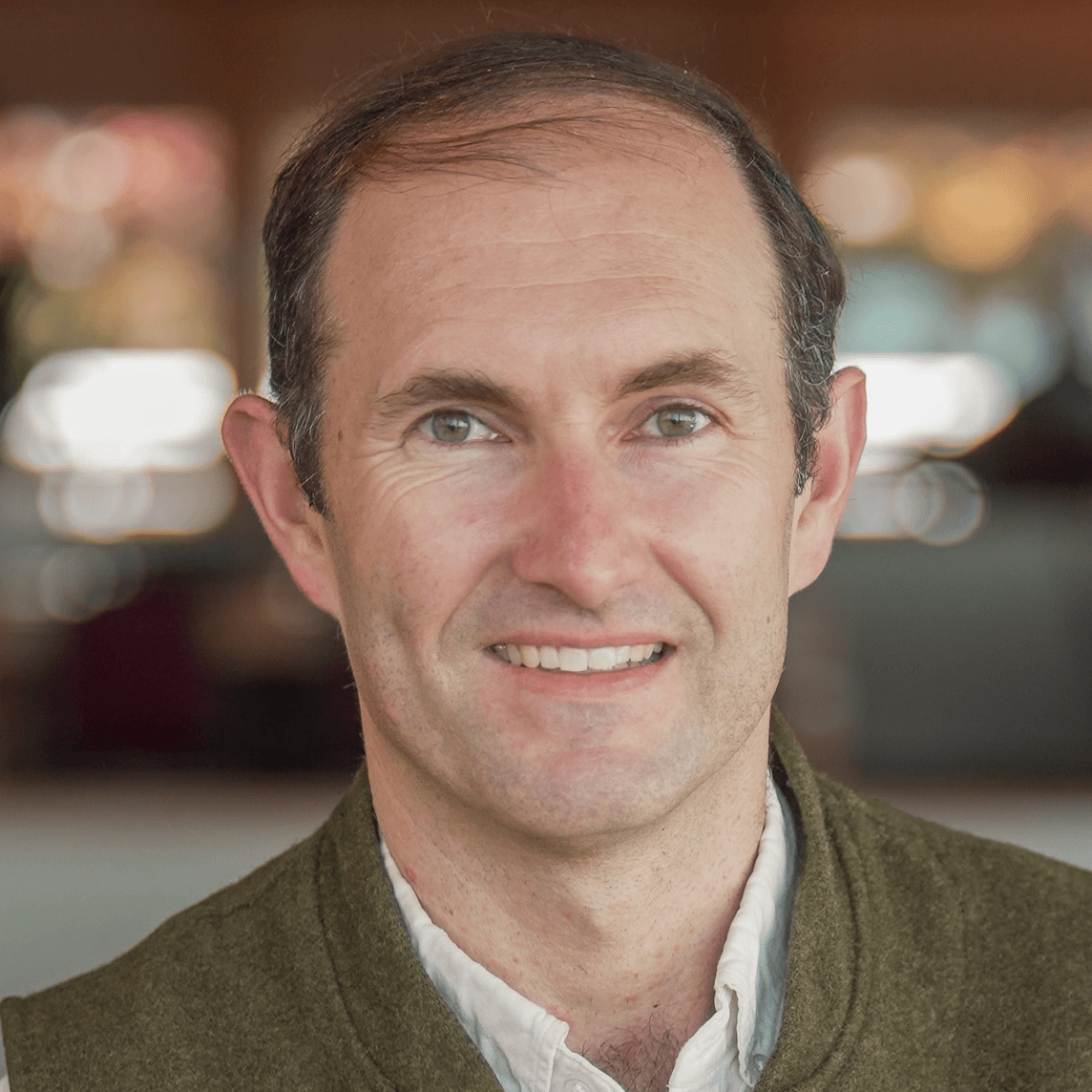
Andrew Keaveney teaches breathwork and meditation through the Art of Living. He began exploring meditation as a teenager and later spent four years in India deepening his practice.
Today, he helps people use breathwork, meditation, and contemplative practices to build more awareness, balance, and wellbeing. He also writes and produces videos about meditation, its social impact, and the research behind it, including a piece called Stemming Student Burnout with SKY, the Yale Study.
SUBSCRIBE TO OUR WEEKLY THURSDAY NEWSLETTER

A weekly newsletter for people who are tired of understanding their patterns and still feeling stuck.