Did you sign up for our weekly newsletter on 'From Lock to Liberation' yet? JOIN US HERE.
JOURNEY WITH KINDRED SOULS
Together, we'll explore the intersection of nervous system science, mental health, spirituality, and healing.
What Is Neuroplastic Pain? A Guide to Chronic Symptoms, Long COVID, and Brain-Based Healing
What Is Neuroplastic Pain? A Guide to Chronic Symptoms, Long COVID, and Brain-Based Healing
Listen to the conversation
Why You're Still Hurting (And It's Not What You Think)
You've done the tests. You've seen the specialists. You've tried the medications and the treatments and probably a few things that weren't covered by insurance. And still, something isn't right. The pain is still there. The fatigue is still there. The symptoms that nobody can fully explain are still there.
If that's your story, this conversation is for you.
In one of the episodes of the podcast inside The Spiritually Curious Therapist, I sat down with Georgia Thelen, a certified nutritionist, hypnotist, energy healer, and pain reprocessing therapy coach who healed herself from four years of chronic pain after getting COVID. What she discovered on the other side of her own healing journey is something that more people need to hear.
The answer wasn't in her body. It was in her brain.
What Long COVID Revealed About the Nervous System
When Georgia got COVID in 2020, she had already been building a wellness practice. What followed was a cascade of symptoms that doctors struggled to explain. POTS. Fibromyalgia. Lyme disease. TBI. She went through the medical system, tried everything on offer, and kept hitting walls.
At some point, she made a decision: stop looking for what was wrong with her body, and start looking at what was happening in her nervous system.
I think this is where so many people get stuck, including me for a long time. We're taught that pain means something is broken. That illness means something needs to be fixed. And so we keep looking for the thing to fix, which can actually make things worse.
What Georgia and I talked about in this episode is something I believe more people need to understand: fear is often the main driver of chronic symptoms. And the pandemic, with all of its collective trauma, fear, isolation, and uncertainty, created a sustained threat response in a lot of nervous systems that never fully resolved.
"I believe that yes, more nervous system regulation and less things coming in that are dysregulating us would certainly help so many people with these mystery illnesses," Georgia said. That's not just a nice idea. It's increasingly supported by research.
The Fear-Pain Cycle and Why It's So Hard to Break
Here's what neuroplastic pain actually is, in plain language. Your brain and nervous system are designed to protect you. When something hurts, your brain turns up the pain signal to get your attention and stop you from doing damage. That's acute pain, and it serves an important purpose.
But sometimes, long after an injury or illness has healed, the brain keeps sending pain signals. The protective mechanism doesn't get the all-clear message. And what sustains it, more than anything else, is fear.
When you're in pain, you fear the pain. You dread it coming back. You research it, monitor it, try to prevent it. And all of that attention and urgency signals to your nervous system that there is still a threat. Which keeps the pain going. Which creates more fear. Which keeps the cycle spinning.
Chronic pain lights up different parts of the brain than acute pain, including areas involved in emotion, memory, and meaning-making. That matters. It tells us that chronic pain is not just a physical experience. It's being shaped by how we relate to it.
How to Know If Your Pain Might Be Neuroplastic
This is the question I get asked most often when I bring up this framework. And it's a fair one, because the idea that the brain is creating your pain can feel dismissive or confusing, especially if you've been suffering for years and been told over and over that something is wrong with your body.
Georgia uses a neuroplastic symptom questionnaire with her clients. Some of the key indicators include multiple symptoms that are different in type, like back pain and fatigue, or migraines and digestive issues happening at the same time. Also having had extensive diagnostic testing without a clear structural cause. A history of chronic symptoms going back to childhood. And a strong tendency to dread symptoms, research them obsessively, or constantly monitor whether they're going to show up.
That last one is important. The more attention we bring to symptoms, the more our nervous system interprets them as threatening. And for many people, that focus, even though it's completely understandable, is part of what keeps the cycle going.
One thing Georgia made clear, and I want to make sure I echo it here: neuroplastic pain is real. It is not imaginary. It is not a sign that you're weak or making things up. It is your brain doing what it is designed to do, which is protect you. The problem is that it's gotten stuck in protection mode. And stuck can be unstuck.
Nervous System Regulation Comes First
Before any of the deeper work is possible, the nervous system needs to feel safe. This is something Georgia and I are completely aligned on.
Regulation doesn't mean calm. It doesn't mean you never feel anxious or activated. It means your system has the flexibility to respond to what's happening and come back to a baseline. It means your window of tolerance is wide enough that you don't get blown over by every sensation or stressor.
Georgia starts her clients with simple, gentle tools: breathwork, bilateral tapping, vagus nerve exercises, and short mini meditations. Nothing overwhelming. Nothing that adds to the pile. Just small, consistent practices woven into the day.
"I'm not going to give you a magic pill, but I will give you the tools that will help you feel much better," she told her clients. That is the truth of this work. It's not a quick fix. It's a practice. Like brushing your teeth. A little bit every day is what builds the change over time.
Pain Reprocessing Therapy: Relating to Pain Differently
Pain reprocessing therapy, or PRT, is an evidence-based approach to chronic pain that uses a tool called somatic tracking as its primary method. The goal is to help the brain reprocess pain through a lens of safety rather than fear.
This does not mean convincing yourself that the pain isn't there. It means learning to be with the sensation differently. To approach it with curiosity instead of dread. To notice it without immediately catastrophizing. To stay outcome-independent, which means you practice the tools not to get rid of the pain, but to change your relationship with it.
I know that sounds like it could feel like gaslighting. Georgia and I talked about that directly. Because it can feel that way, especially for people who have spent years being dismissed by doctors and told it was all in their heads. That history is real and it matters.
What makes PRT different is that it doesn't ask you to pretend the pain isn't real. It acknowledges that the pain is real, and it helps your nervous system update its understanding of what that sensation means. Not a threat. Not evidence that something is broken. Just information from a brain that's been working overtime for too long.
The Emotional Layer That Can't Be Ignored
Georgia and I also touched on the connection between unresolved emotions and chronic symptoms. This is where Dr. John Sarno's early work comes in. He was one of the first physicians to propose that chronic pain was connected to unexpressed emotion, and while some of his frameworks have been updated by modern neuroscience, the core idea holds.
Suppressed or trapped emotions don't just disappear. They can show up in the body. MRI studies show that emotional pain and physical pain activate overlapping regions of the brain. Emotional awareness and expression therapy, or EAET, works from exactly this premise and has helped many people find relief when other approaches haven't worked.
None of this means your pain is "just emotional." It means the body and the mind are not separate systems. And healing often has to address both.
Resources Georgia Recommends
Georgia shared several resources for anyone who wants to learn more about this approach. Dr. Sarno's books on tension myoneural syndrome and mind-body medicine. Alan Gordon's book The Way Out, which is also the foundation of pain reprocessing therapy. The Boulder Back Pain Study, which is the foundational research study behind PRT. And Nicole Sachs, who continues her father's work with a strong focus on the emotional piece of neuroplastic healing.
You can also find Georgia and learn more about her work through her website and social media. I'll include all of her contact information in the show notes.
If you're living with chronic pain or mystery symptoms and nothing has worked so far, I hope this conversation offers something different. Not another thing to fix. A different way of listening.
Where to Find Georgia
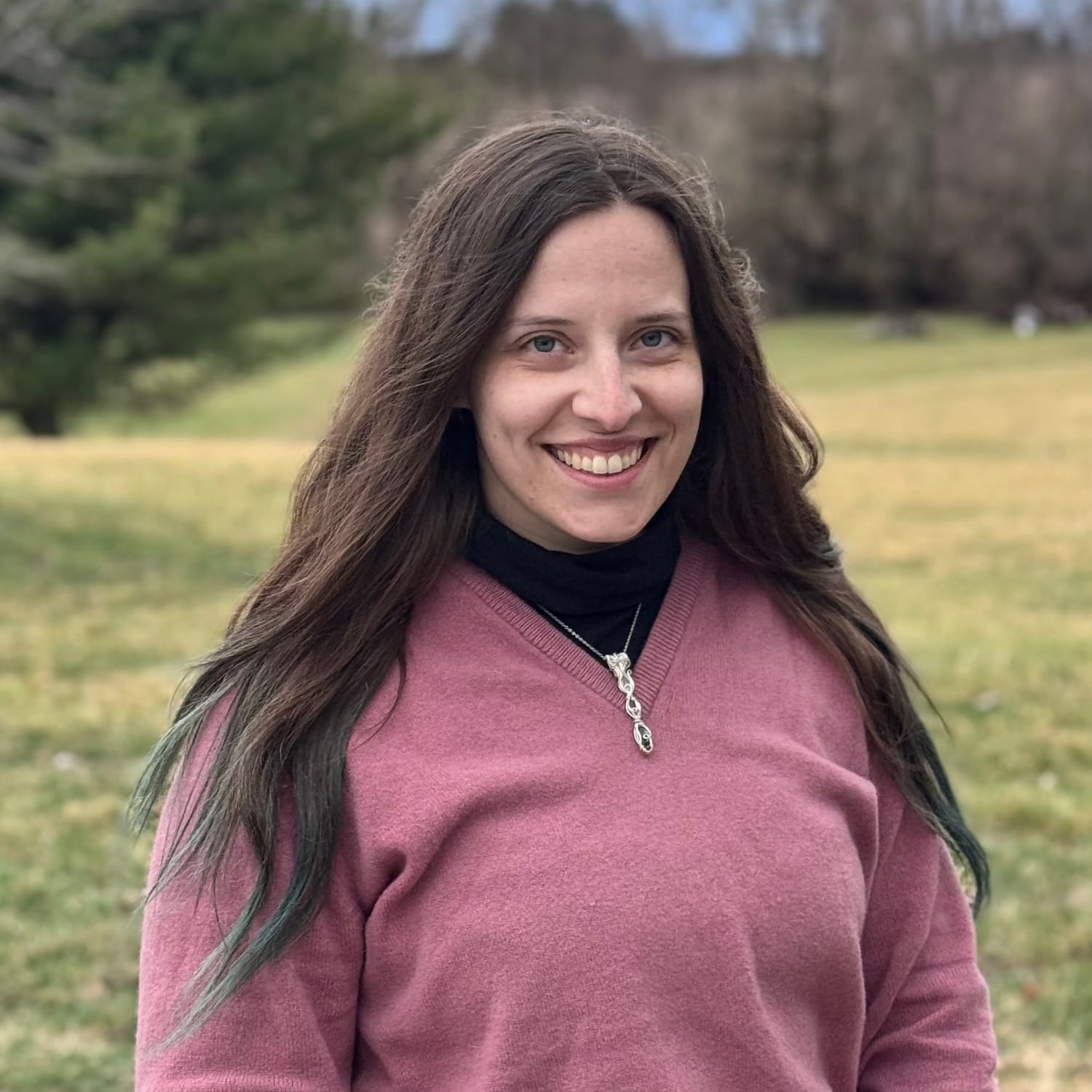
Georgia is a certified nutritionist, hypnotist, energy healer, and pain reprocessing therapy coach. She helps clients address chronic pain through nervous system regulation, somatics, and brain rewiring. She healed herself from four years of chronic pain using the same tools she now shares with her clients. And yes, she also got certified in the process.
If this conversation is calling to you, you can listen to the full episode of The Spiritually Curious Therapist wherever you get your podcasts.
SUBSCRIBE TO OUR WEEKLY THURSDAY NEWSLETTER

A weekly newsletter for people who are tired of understanding their patterns and still feeling stuck.