Did you sign up for our weekly newsletter on 'From Lock to Liberation' yet? JOIN US HERE.
JOURNEY WITH KINDRED SOULS
Together, we'll explore the intersection of nervous system science, mental health, spirituality, and healing.
What Is Breathwork Really? A Therapist Breaks Down the Full Spectrum
What Is Breathwork Really? A Therapist Breaks Down the Full Spectrum
Listen to the conversation
The Part Nobody Talks About in Nervous System Work
I spend a lot of time talking about the nervous system. About safety, about patterns, about why insight alone isn't enough to create real change. But there's a piece of this conversation I don't go into enough, and it came up clearly in my recent conversation with Blakey Hastings, somatic arts practitioner and breathwork guide.
The breath.
Not in the generic "take a deep breath" way. I mean the breath as a full-spectrum tool for nervous system regulation, somatic healing, and even transformation. When Blakey sat down with me on The Spiritually Curious Therapist, I walked away with a completely different understanding of something I thought I already knew.
Breathwork Is Not One Thing
Most people, when they hear the word breathwork, picture one of two things: a guided relaxation exercise or someone having a dramatic emotional release on a yoga mat. Neither of those captures what Blakey is describing.
She talks about breathwork as a spectrum. On one end, you have functional breathing: nasal breathing, diaphragmatic breath, the three-part breath. This is foundational. It's how your body is supposed to breathe, and most of us aren't doing it.
On the other end, you have high-ventilation breathwork: conscious connected breath, rebirthing breathwork, the kind that can move you into expanded states of consciousness. This is the territory that Stanislav Grof explored decades ago as an alternative to psychedelic-assisted therapy. It's powerful. And it's also not where you start.
What makes Blakey's approach different is that she's always asking the same question before going anywhere on that spectrum: Does this person's nervous system have the capacity to hold what might come up?
If the answer is no, going deeper isn't transformation. It's just a big experience. And big experiences without integration sit on a shelf.
The Integration Problem
This is one of the most important things Blakey said, and it connects directly to the work I do with clients in psychotherapy. You can have a massive emotional release and walk away unchanged. Not because something didn't happen, but because your nervous system didn't have the scaffolding to hold and integrate the experience.
She brought this up in the context of craniosacral therapy, where she used to see it often. Someone would come in with a strong intention to heal, to process trauma, to finally let something go. And their nervous system simply wasn't ready. The capacity wasn't there yet.
This is why she started incorporating breathwork into her practice. Not the high-ventilation kind, not right away. The foundational kind. Because when someone connects with their breath, they can actually feel where their nervous system is. They can notice whether they're breathing into their chest or whether they can feel their whole body at all. That awareness becomes the starting point for everything else.
The Felt Experience Is the Ultimate Authority
This phrase stopped me mid-conversation. Blakey said it simply, but it carries a lot.
We live in a culture that values what can be measured and explained. If you can't put it into words or justify it with data, it often gets dismissed. Including the things you feel in your own body.
But the felt experience, the actual sensation of something moving through you, your heart beating faster, warmth in your chest, a tightening in your throat, that is real information. Your nervous system is a resonance system. It's picking up on far more than safety versus danger. It's reading the entire environment around you.
What changes the meaning of those sensations is your state. Excitement and anxiety feel almost identical in the body. The story your mind tells around the sensation, whether this is dangerous or whether this is good, depends entirely on whether your nervous system feels safe enough to interpret it clearly.
This is exactly why I keep returning to safety as the foundation of everything. Not because safety is comfortable, but because without it, even the sensations your body is using to communicate get misread as threat.
Healing Without the Story
One of the things I hear from clients who've been in traditional talk therapy for years is that they understand their patterns. They can explain where they came from. They've told the story many times. And they're still stuck.
Blakey names why: healing doesn't require the story. The body doesn't need you to narrate what happened in order to complete something that got stuck. It just needs the right conditions, enough safety and capacity, to let the stuck thing move.
She told me about a client who asked several times before a session: I'm not going to have to talk about what happened, am I? And the answer was no. Because the process wasn't about the story. It was about what was alive in the body in that moment.
This is something the Brainspotting world says clearly, and it resonates with everything I've come to believe in my own practice: we don't have to know what it is to know that it is. Something is there. The body is holding it. We can work with it without ever needing to name it.
The 360-Degree Breath (And Why It Changed Things for Me)
I want to spend a moment on this because it genuinely surprised me.
I've practiced yoga. I've guided somatic exercises. I've sat with clients while teaching breathwork basics for years. And I had never experienced or explained the breath as expanding in 360 degrees, not just forward, not just belly up and down, but all the way around. Sides of the body. Back of the ribs. The entire container.
When Blakey described placing your hands behind your back and feeling your ribs expand on the inhale, I tried it right there in the conversation. It's different. It shifts something. The awareness that your breath creates space inside your whole body, not just the front of it, does something to your sense of capacity.
She uses this as a foundation with clients, especially those who are coming to the work with chronic pain or chronic illness. Not diving into the pain. Starting with breath. Building awareness of other sensations. Expanding capacity slowly and intentionally.
One Thing to Start Doing Right Now
At the end of our conversation, I asked Blakey what she'd want people to take away. She kept it simple.
Notice how you breathe.
Not to fix it. Not to judge it. Just get curious. Notice how you breathe when you're anxious. When you're sitting at a red light. When you're cooking. When you're hugging someone you love. Start building a relationship with your breath the same way you'd build a relationship with your nervous system: with attention, curiosity, and no pressure to be different than you are.
Also, and I say this because I have not stopped thinking about it: mouths are for eating. Noses are for breathing. If you're exhaling through your mouth right now, that's a good place to start.
Where to Find Blakey
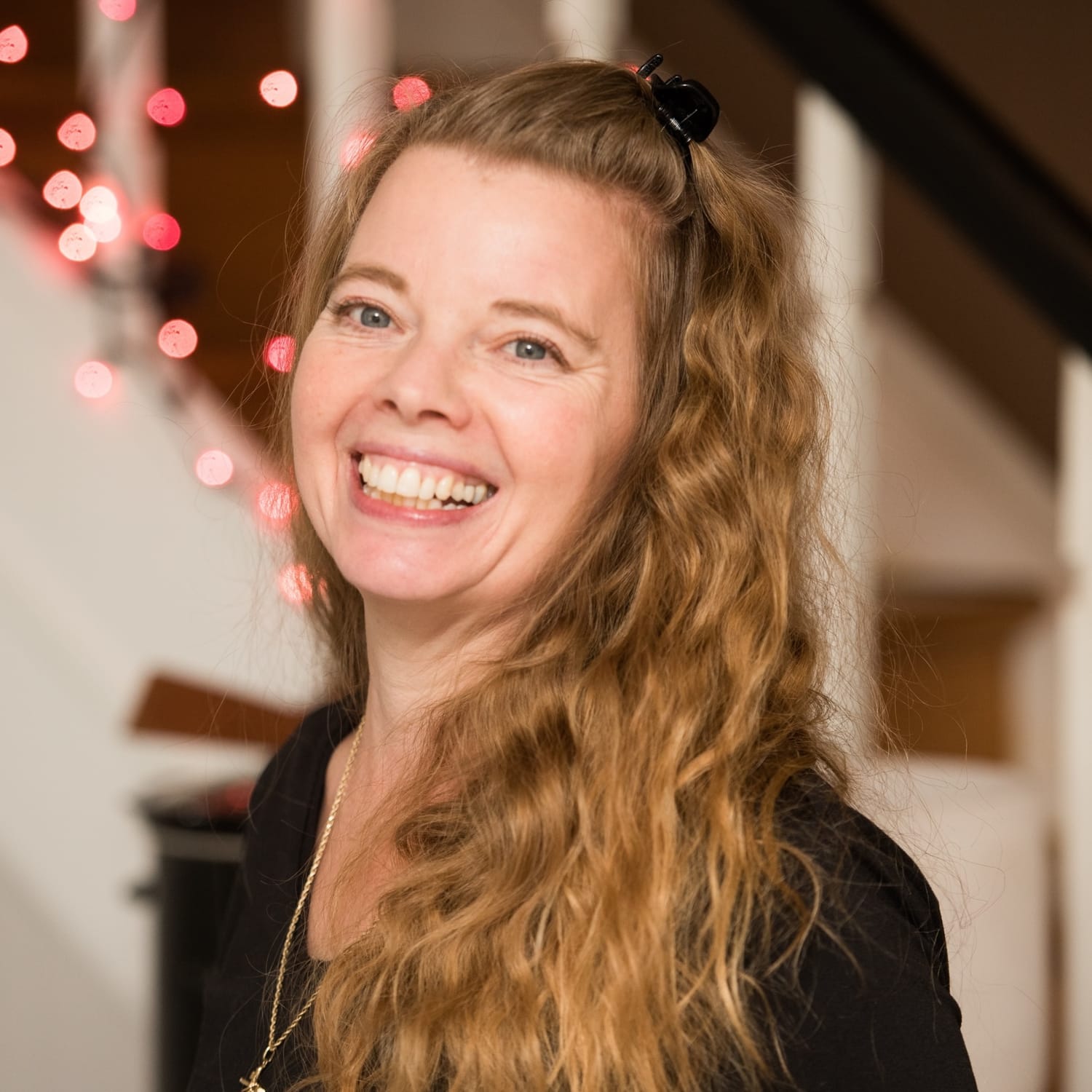
Blakey Hastings offers functional breathwork courses, conscious connected breathwork sessions, and craniosacral therapy through North Star Somatic Arts. You can find her at northstarsomaticarts.com.
If this episode resonated, you can listen to the full conversation on The Spiritually Curious Therapist wherever you get your podcasts.
SUBSCRIBE TO OUR WEEKLY THURSDAY NEWSLETTER

A weekly newsletter for people who are tired of understanding their patterns and still feeling stuck.